
How to Build a Motocross Track in Florida
A complete builder's guide to designing and constructing a motocross track in Florida — from soil selection and drainage to berm spacing, jump geometry, budgets, and maintenance. Written from the cab of a dozer, not a spreadsheet.
Published 2026-04-21 · Dirt Dynamics LLC
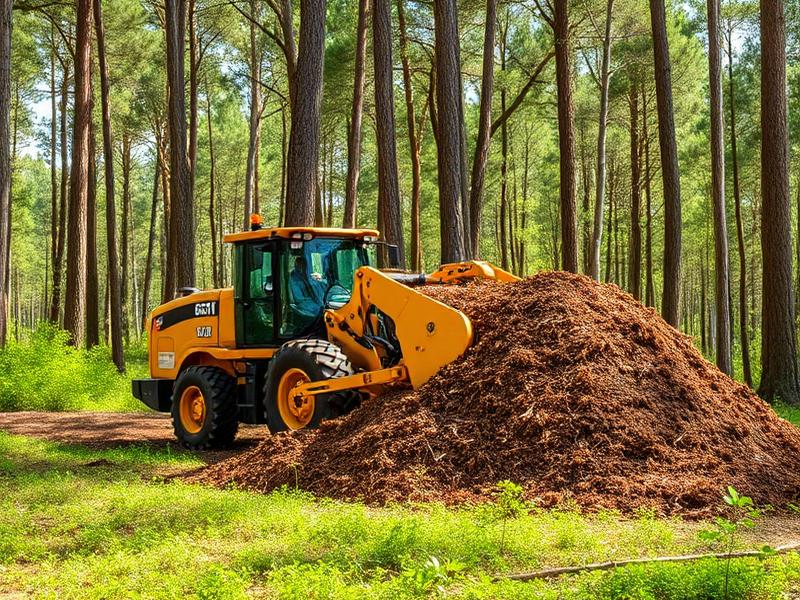
Building a motocross track in Florida is different from building one anywhere else. The soil is mostly sand, the water table is shallow, the summer storms are brutal, and the riding season is year-round if — and only if — you plan for all of that from day one. This guide walks through how we design and construct motocross tracks across Central Florida, from private backyard practice loops to competition facilities. It's the same playbook we use on every job.
Step 1: Choosing the Right Land
The cheapest dirt bike track is the one you build on land that already works for it. Look for high, well-drained ground with at least 3 usable acres of relatively flat or gently rolling topography. Oak hammocks and dense palmetto can be cleared, but you'll pay for the clearing. Low-lying pine flatwoods with standing water after a rain are a red flag — Florida's water table will fight you every step.
Setbacks matter. Most Florida counties require 25–50 feet from property lines, more near wetlands. Noise exposure to neighbors is the fastest way to kill a track, so orient the loud sections (long straights, big jumps) away from the closest houses and use natural tree buffers where you can.
Step 2: Florida Soil and Drainage Realities
Florida soils fall into three buckets for track building: sandy upland soil (great, drains fast, compacts with water), clay-rich transitional soil (moderate, holds shape, needs watering), and muck/organic lowland (terrible, excavate and replace). Your first call before design is a soil probe at 6–8 points across the proposed layout.
Drainage is not an afterthought — it's the design. Every section of track needs a planned path for water, even in a dry week. We build in a minimum 2% cross-slope on straights, crown the corners, cut 12-inch swales along the shoulders, and route the shoulders to a retention area or existing low spot at least 25 feet from the track. Without that, the first tropical depression washes you back to bare clay in a day.
Step 3: Permits and Local Rules
Private practice tracks on rural residentially-zoned parcels usually don't need a special-use permit, but the earth-moving triggers a clearing or grading permit from the county. Commercial tracks are a different conversation — most counties zone them as recreational or industrial, and getting through the process takes 3–9 months.
If any part of the layout touches a designated wetland, you're in a Water Management District review whether you like it or not. SJRWMD and SWFWMD both have forms for minor clearing impacts; we file them routinely. If you're near a state park or conservation easement, expect extra scrutiny on buffer distance and noise.
Step 4: Designing the Track Layout
Good motocross track design is 70% flow and 30% features. A rider should be able to stay on the gas through 80% of the lap. Corners should set up the next straight. Jumps should land into a banked turn or into a section that rewards the carry. Bad tracks have great features arranged badly — you stop pedaling to set up the next obstacle.
Rules of thumb that hold up across every track we build:
- Minimum straight length: 80 feet between corner apexes on a beginner track, 150+ on an intermediate track, 250+ on anything pro-style.
- Berm radius: 22–30 feet centerline for 250F-class bikes, bigger for 450s. Sharp berms under 18 feet eat up tires and feel awful.
- Berm height: 3–5 feet above track surface, banked at 45–60°.
- Jump faces: 28–35° takeoff for doubles, 22–28° for tabletops. Landing ramps should be 5–10° steeper than the takeoff.
- Gap distance: measure from takeoff lip to landing apex. Keep the first jump on your track shorter than the rider's confidence — everything scales from there.
Step 5: A Basic Track Layout
Here is a simple starting layout for a private 5-acre track with a 35–45 second lap. Adapt it to your parcel's shape.
The loop puts a start straight into a bowl berm, then a double, a long sweeper, a tabletop exiting into a 90° berm, a three-jump rhythm section, and a return straight back to start/finish. That structure gives you a lap with rest, commitment, and technical features without bunching everything together.
Step 6: Materials and Equipment
What you'll need for a 5-acre private track:
- Tracked compact excavator (5–8 ton) for jump shaping
- Dozer (D4 or D5 class) for grading straights and corners
- Skid steer with smooth bucket and packer attachment
- Water truck or tractor with water tank — Florida tracks get watered daily
- Road-base rock for the start gate and wet spots
- Silt fence, erosion blanket, and seed for finished slopes
- Optional: laser level, surveyor stakes, a smooth drum roller for corners
Step 7: Construction Sequence
In order: clear the footprint (we prefer forestry mulching to preserve topsoil), grub stumps, strip and stockpile topsoil, rough-grade the loop path, cut drainage swales, build jump faces and berms from hauled-in or on-site fill, compact in 6-inch lifts with the water truck running, replace topsoil on shoulders, seed the off-track areas, let it sit through one rain cycle, then re-shape the first pass before you ride.
Rushing the compaction step is the most common mistake. Jumps built in one lift without compacting between passes will slump 6 inches within a month and your faces become mushy.
Step 8: Maintenance
A Florida track that isn't maintained dies in six weeks. Water daily during riding periods, rake corners after every session, re-shape berm faces monthly with a skid steer, and re-pack jump faces after every heavy rain. Re-seed the shoulders twice a year. Budget 10–15 hours a month of maintenance for a 5-acre track in active use.
We offer maintenance packages for private tracks — monthly re-shape, water truck service before events, and post-storm repair.
Ready to Build?
If you're planning a motocross track anywhere in Florida, we can help from site walk through final shape. Start at our motocross track design service page or call us directly at (386) 457-8785 for a free consultation.
Motocross Track Construction FAQ
Get answers to common questions in your area.
A small private practice track on existing cleared land typically runs $15,000–$45,000. A full backyard layout with two or three jump sections and proper drainage runs $45,000–$120,000. Competition-grade facilities with multiple rhythm sections, triple jumps, and engineered drainage start around $150,000 and can exceed $500,000 depending on acreage and features.
A minimum of 3 usable acres for a compact practice loop. 5–8 acres gives you room for a proper 30–45 second lap with rhythm, corners, and runoff. Pro-style tracks with long straights and bigger jumps need 10+ acres. Remember Florida setbacks — you rarely get to use the full parcel.
Florida gets 50+ inches of rain a year concentrated in summer thunderstorms. A track without engineered drainage turns into unrideable soup within 24 hours of a heavy storm. Good design crowns the track surface, runs swales along the shoulders, and routes water to retention before it erodes berms or fills jump faces.
Most rural properties over 5 acres can build a private, non-commercial track without a special permit, but any significant earth-moving triggers a clearing or grading permit. Anything with noise exposure to neighbors, wetland contact, or commercial use brings in zoning, noise, and sometimes Water Management District review. We handle the paperwork.
Talk to a Florida Motocross Track Builder
Free consultation. Honest answers on what your parcel can actually support.